Of all the steps in a proper car wash, drying tends to get the least attention. Most people figure it’s simple — the hard part is done, the car is clean, you just need to get the water off.
That thinking is exactly what causes problems.
In seven years of professional detailing, I’ve seen cars come in that were washed correctly, with the right tools and the right technique, only to end up with new scratches introduced during drying. Not from anything dramatic — just the wrong towel, used the wrong way, on a surface that was still vulnerable.
If you’ve ever wondered why your paint still looks dull or hazy after a careful wash, the drying step is worth looking at closely.
Why Drying Is Riskier Than It Looks
When your car is wet, the clear coat is in a slightly more vulnerable state. Any contamination still on the surface — even small amounts that survived the rinse — can be dragged across the paint by a towel. The more friction involved, the more damage occurs.
This is why towel choice matters so much. A rough or low-quality towel requires more pressure to absorb water effectively. More pressure means more friction. More friction means more micro-scratches. On darker paint especially, those scratches accumulate into the swirl mark pattern that makes paint look permanently dull.
The towel doing the drying is the last thing touching your paint before the job is done. It deserves as much thought as the mitt you use to wash.
8From experience, towels like the Griot’s Garage Extra-Large Drying Towel tend to perform well because they combine high absorbency with a soft microfiber structure. This allows you to remove water efficiently without pressing down on the surface — which is exactly what you want to avoid scratches.
What Actually Makes a Good Drying Towel
Not all microfiber is the same. There’s a wide range of quality in the market, and the differences are more significant than the price tags suggest.
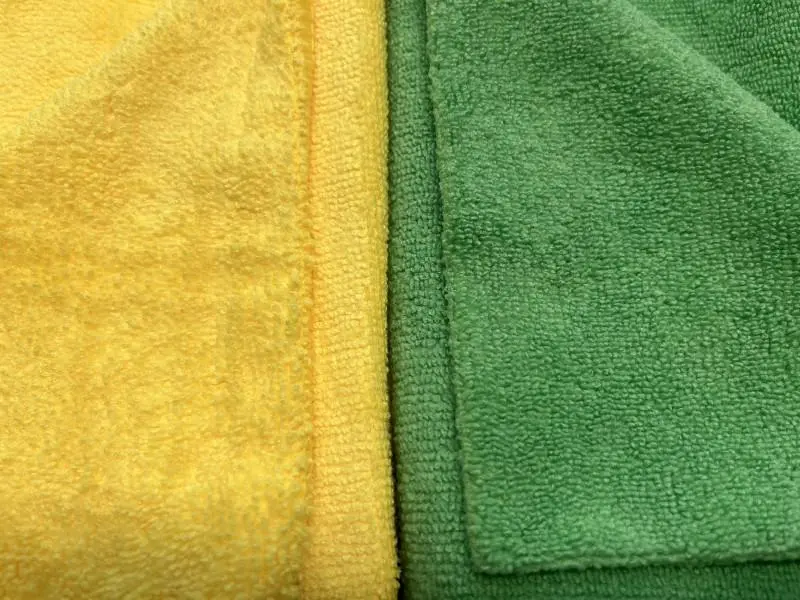
GSM: The Number That Matters Most
GSM stands for grams per square meter, and it measures how dense and thick the towel’s fibers are. For car drying, you want something in the 500 to 1200 GSM range.
Higher GSM means the towel is thicker, softer, and more absorbent. It can hold more water per pass, which means less repeated contact with the surface. It also glides more gently because the extra fiber cushioning reduces the friction between the towel and the paint.
Lower GSM towels — the kind that often come bundled in multi-packs at low prices — feel thinner and rougher. They don’t absorb as well, which means you end up wiping over the same area multiple times with more pressure. That’s where the damage comes from.
As a general rule: if a drying towel feels rough or stiff out of the package, it’s going to feel roughly the same on your paint.
Fiber Quality: What the Towel Is Actually Made Of
The term “microfiber” covers a wide range of materials. Better microfiber towels use fibers with a higher split ratio — meaning each individual strand is divided into many smaller strands during manufacturing. This creates more surface area for water absorption and makes the towel softer overall.
Cheaper microfiber uses less refined fibers that don’t split as finely. The result is a towel that feels acceptable in your hand but has less absorbency and a slightly coarser texture than you want on paint. These towels don’t necessarily damage paint immediately, but they’re working against you compared to a quality alternative.
When in doubt, run the towel gently across the back of your hand. A quality microfiber drying towel should feel genuinely soft, almost silky. If there’s any roughness or drag, that’s what it’s going to feel like on your clear coat.
Size: Bigger Actually Helps
A proper drying towel should be large enough to dry two or three panels in a single pass before you need to fold to a fresh section. Standard sizes for dedicated drying towels tend to run around 60×90 cm or larger — significantly bigger than the small detailing towels used for other tasks.
The reason size matters is contact. Every time you lift the towel and reposition it, you’re creating an opportunity for contamination or uneven pressure. A larger towel covers more ground per pass, which means fewer repositions and less overall risk to the paint.
Twist Loop vs. Plush: Which Design Is Better
If you prefer a twist loop design, towels like The Rag Company Liquid8r are a good example. They absorb a large amount of water and glide smoothly across the surface, which makes them especially useful for drying large panels like the hood or roof.
The two most common designs you’ll encounter for dedicated car drying towels are twist loop and plush microfiber.
Twist loop towels have long, twisted strands rather than flat pile. They tend to be extremely absorbent and glide very smoothly across the surface, which makes them popular for large panels like the hood and roof. The twisted structure also means they hold a lot of water before they need to be wrung out.
Plush microfiber towels have a dense, flat pile — similar to a very soft bath towel, but much finer. They’re gentle on paint, easy to fold and control, and work well for detailed areas like mirrors and door jambs. Some detailers prefer plush for drying because it’s easier to maintain consistent pressure across different surfaces.
Both designs work well when the quality is there. The choice often comes down to personal preference. What they have in common is that they’re both a significant step up from a basic microfiber cloth or, worse, an old bath towel.
What to Actually Avoid
A few things are worth calling out specifically because they’re common and cause real damage.
Old bath towels or cotton rags are the most obvious ones. Cotton fibers aren’t fine enough to lift water safely, and they tend to drag particles across the paint rather than absorbing them. If you’ve been using these out of habit, switching to a proper microfiber drying towel will make an immediate visible difference.
Chamois — the traditional yellow leather-like drying tool — has mostly been replaced by microfiber for good reason. Chamois can dry a car quickly, but it tends to pick up grit and hold it against the surface, and it requires firm pressure to use effectively. On modern clear coats, that’s a recipe for micro-scratches.
Reusing a towel that’s been sitting dirty is another issue. A drying towel that picked up contamination during a previous wash needs to be properly laundered before it’s used again. Contaminated fibers are just as damaging as any other abrasive source.
One More Thing: Technique Still Matters
Even the best towel won’t help if the technique is wrong.
Patting or gently dragging the towel across the surface in straight lines is the safest approach. Scrubbing — pressing down firmly and moving quickly back and forth — introduces unnecessary friction regardless of what towel you’re using.
Starting from the top of the car and working downward is also worth doing. The lower panels tend to have more contamination, and you want to deal with cleaner surfaces first.
If you want to take it a step further, a leaf blower or dedicated car dryer to remove the bulk of the water before hand drying significantly reduces how much work the towel needs to do — and how much contact it has with the paint overall.
The Simple Version
The drying towel is the last thing that touches your paint. It deserves more thought than most people give it.
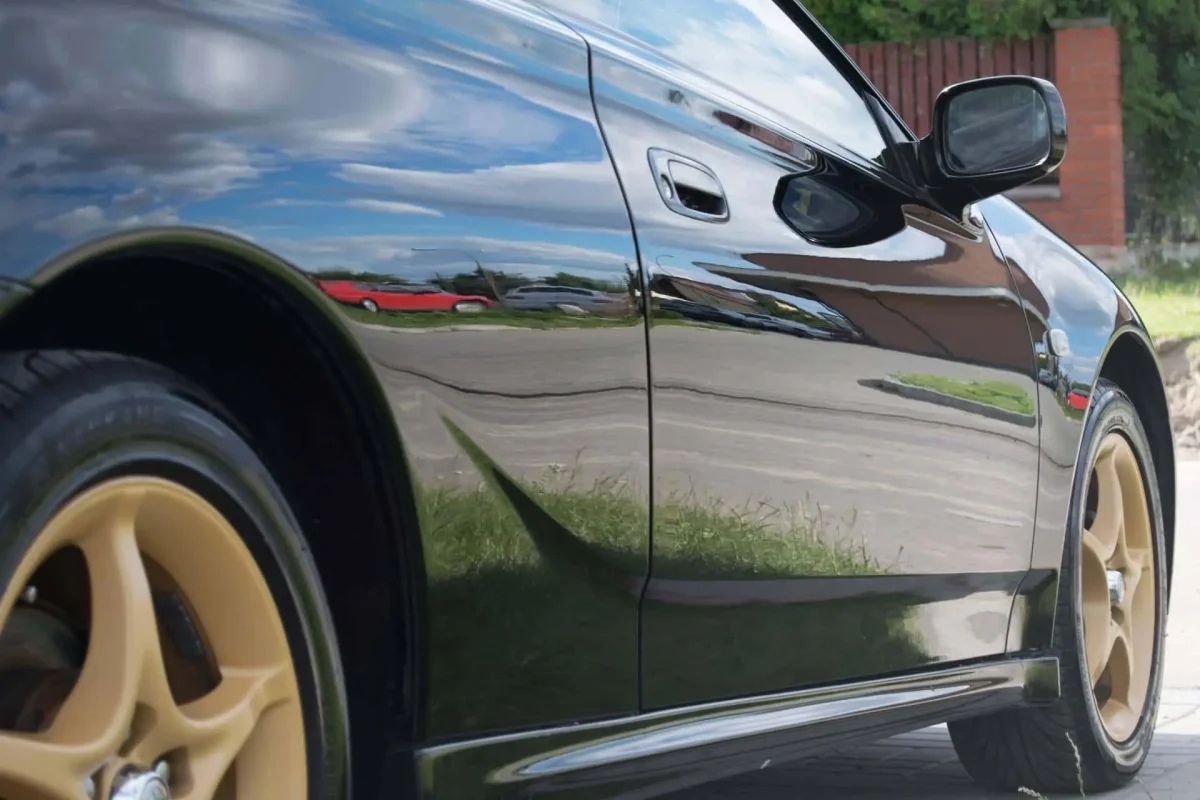
A high-GSM microfiber towel in a twist loop or plush design, used with light pressure in straight lines, starting from the top — that’s the whole framework. It’s not expensive or complicated. But it’s the difference between finishing a wash and actually protecting what you just cleaned.
For those who want something thick and easy to use, plush towels like the Chemical Guys Woolly Mammoth are a safe choice. They hold a lot of water and are forgiving, which makes them a good option if you’re just starting to improve your drying process.
If you’re not sure what towel to get or want a recommendation based on your specific situation, drop a comment below. Happy to point you in the right direction.