You spend time on it. You rinse everything properly, wash carefully, dry it off. Up close, it looks clean. But when you step back and look at the whole car in the right light, something still feels off. The paint looks dull, slightly muted, not quite as fresh as it should.
If this sounds familiar, you’re not alone — and in most cases, it’s not because you did a bad job washing.
The issue is that not all contamination is visible.
Some of the links on this page are affiliate links, which means I may earn a small commission if you make a purchase, at no extra cost to you. As an Amazon Associate, I earn from qualifying purchases.
What’s Still on Your Paint After a Regular Wash
Most people focus on removing the obvious stuff — mud, dust, the grime that builds up around the lower panels. And a standard wash does remove that. The problem is what stays behind.
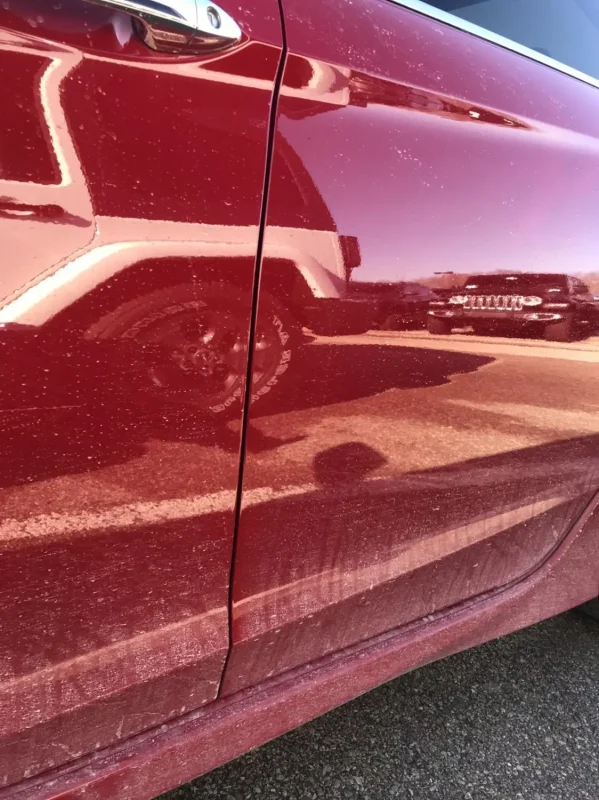
Over time, a thin layer of bonded contamination builds up on top of the paint. This includes things like traffic film, exhaust residue, oils from the road, and fine industrial fallout from everyday driving. Unlike loose dirt, these substances don’t simply rinse away. They bond to the surface and accumulate gradually, which is why the effect isn’t obvious at first.
What this layer does is affect how light interacts with the paint. Instead of reflecting cleanly, the surface scatters light slightly — which is what creates that dull, hazy look even on a freshly washed car.
White cars show this particularly well. When a white car is new, the paint looks bright and crisp. After a year or two of regular washing, it often starts to look slightly yellow or flat. Most people assume this is wear or fading. In many cases, it’s accumulated contamination that a standard wash was never designed to remove.
Why a Regular Wash Can’t Solve This
A standard car shampoo is formulated to remove loose dirt. It works well for that purpose. But it’s not designed to break down bonded grime, traffic film, or oily residue that has had weeks or months to adhere to the paint.
This is why you can wash your car carefully, with the right technique and the right tools, and still end up with a finish that looks less clear than it should. The wash step is doing its job — it’s just not the right tool for the whole problem.
If you run your hand over the paint after washing and it feels slightly rough or gritty in places, that’s the contamination layer. It’s there even when the car looks reasonably clean. That roughness is what’s affecting the finish.
The Step Most People Skip
To properly address bonded contamination, you need to remove it before the contact wash — not during it.
This is where an alkaline pre-wash comes in.
An alkaline cleaner is applied to the car before any physical contact. It’s designed to chemically break down traffic film, oily residue, and the kind of built-up grime that shampoo can’t fully lift. Once it’s had a minute or two to dwell on the surface, most of that contamination can be rinsed away with water pressure — without any scrubbing involved.
The practical result is that by the time you start the actual wash, the paint is already significantly cleaner. The mitt has less contamination to deal with, which means less friction, less risk of scratching, and a much cleaner finish once everything is done.
From my own experience doing this on a regular basis, the difference is immediately noticeable. The paint reflects light more clearly, feels smoother after drying, and looks genuinely cleaner rather than just surface-clean.
For a more accessible option, products like Chemical Guys Citrus Wash are widely used. While milder than dedicated pre-wash cleaners, they can still help remove light grime and buildup when used properly.
👉 View on Amazon →https://amzn.to/4cPlz0O
What Happens When You Skip It
Without a pre-wash step, you’re starting the contact wash on top of that contamination layer rather than removing it first.
Your mitt picks up bonded grime and moves it around the surface. Some of it lifts away. Some of it gets redistributed. The result is a car that looks clean at first glance but still carries that invisible layer underneath — which is exactly what causes the dull, slightly dirty appearance that persists no matter how carefully you wash.
It’s not a technique problem. It’s a missing step.
A Simple Addition to the Routine
Adding a pre-wash doesn’t have to be complicated or time-consuming. The basic process looks like this.
Rinse the car first to remove loose debris. Apply the alkaline pre-wash to the entire surface, starting from the top. Let it dwell for one to two minutes — long enough to break down the contamination, but not so long that it dries on the surface. Rinse thoroughly, then proceed with the regular wash as normal.
That’s it. The extra time is usually five minutes or less, and the improvement in the finished result is consistent enough that once you add this step, going back to skipping it feels like leaving the job half done.
The Bigger Picture
A car that still looks dull or slightly dirty after washing is one of the more frustrating experiences in detailing — especially when you know you’ve done everything else right. The explanation is almost always the same: there’s still something on the surface that the wash alone couldn’t remove.
The goal isn’t just to wash the car. It’s to actually clean the paint — which means removing contamination at every level, not just what’s visible on the surface.
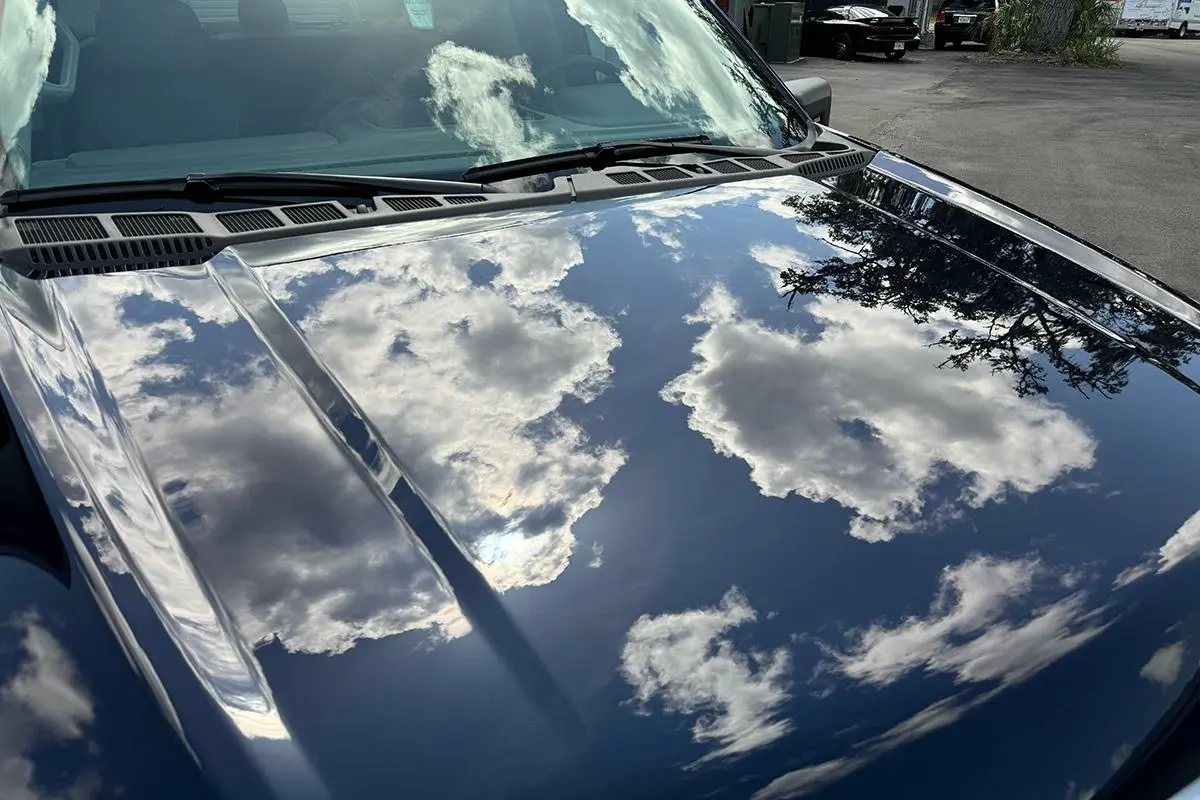
Once the pre-wash step becomes part of the routine, the difference in how the paint looks and feels is significant. Cleaner, clearer, and noticeably closer to what the paint is actually supposed to look like.
If your car consistently looks dull after washing and you haven’t tried a pre-wash step yet, it’s worth starting there. Feel free to leave a question in the comments if you want to talk through your specific situation.
👉 Related: Best Drying Towels to Prevent Scratches