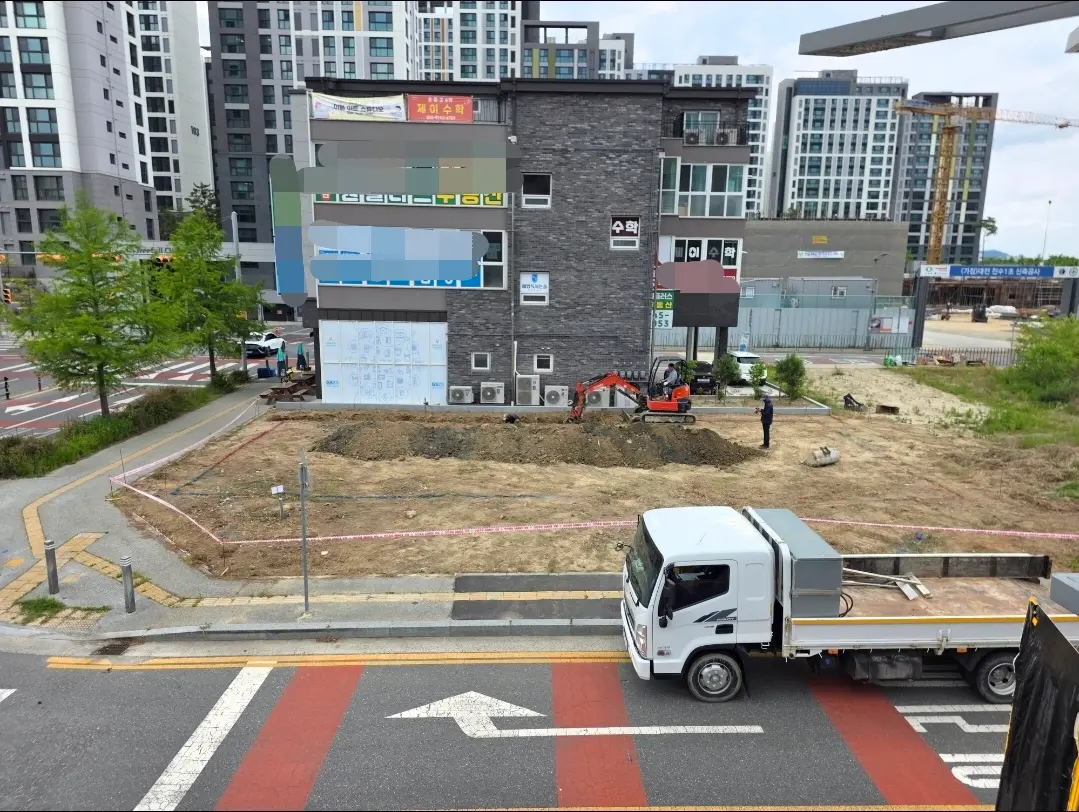
After a long period of preparation, construction for my car detailing shop has finally begun.
Before reaching this point, I had to go through several permits, reports, and approval processes. Building a new workspace from an empty piece of land is not as simple as designing everything exactly the way I want. There are regulations to follow, limitations to accept, and many decisions that require compromise.
Still, after spending so much time thinking, adjusting, and making decisions, I hope this space becomes a practical and comfortable place to work for many years.
Preparing the Tools for a Detailing Shop
Apart from the construction itself, I also need to choose the tools, chemicals, and equipment that will be used in the detailing shop.
There are many things to prepare: interior cleaning chemicals, compounds, wool pads, pre-wash products, polishers, vacuum cleaners, and more.
Good tools and good chemicals can definitely improve the quality of the work. But since the budget is limited, I cannot simply buy the most expensive product in every category. Each purchase needs to make sense.
Today, I want to talk about one of the tools I have been thinking about the most: the car polisher.
Wired vs Cordless Polishers
Car polishers can generally be divided into two types: wired polishers and cordless polishers.
In professional detailing shops, wired polishers are usually preferred. The reason is simple. They provide stable power, consistent performance, and strong cutting ability for longer polishing sessions.
For my main polishers, I am planning to use wired machines.
For dual action polishers, I am considering Rupes and Shinemate. Rupes is one of the most trusted brands in the detailing industry, and Shinemate, although it is a Chinese brand, offers good performance at a reasonable price. It is also a brand I became familiar with when I first started learning paint correction.
For a rotary polisher, I have decided to go with Flex. The first rotary polisher I used was also from Flex, and it has a strong reputation among professional detailers.
The Tool I Am Still Thinking About
The part I am still unsure about is the small cordless polisher.
More specifically, I am thinking about a cordless 3-inch polisher that can be used as a supporting tool for smaller areas.
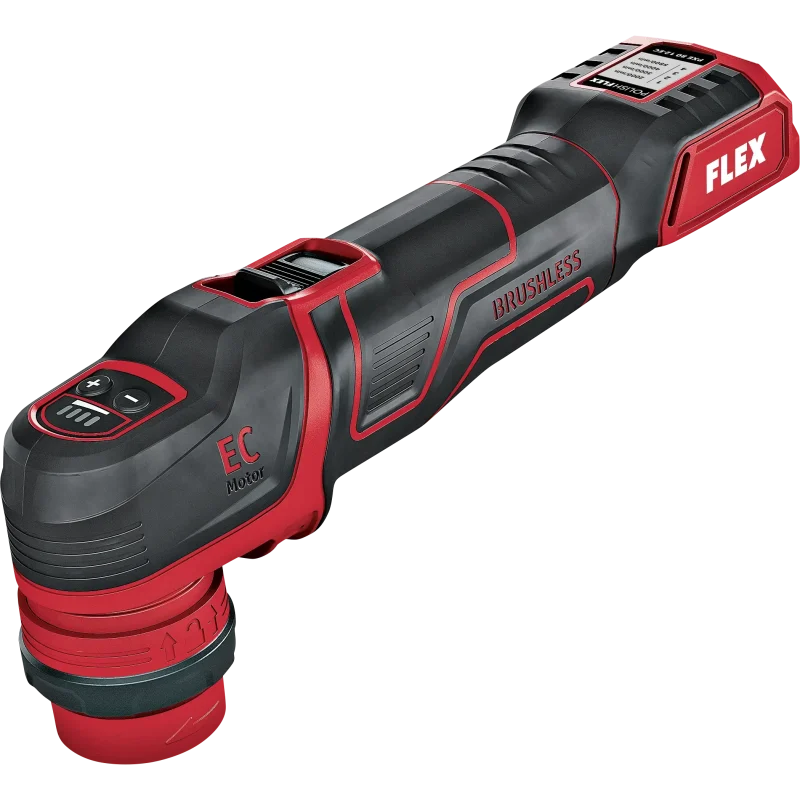
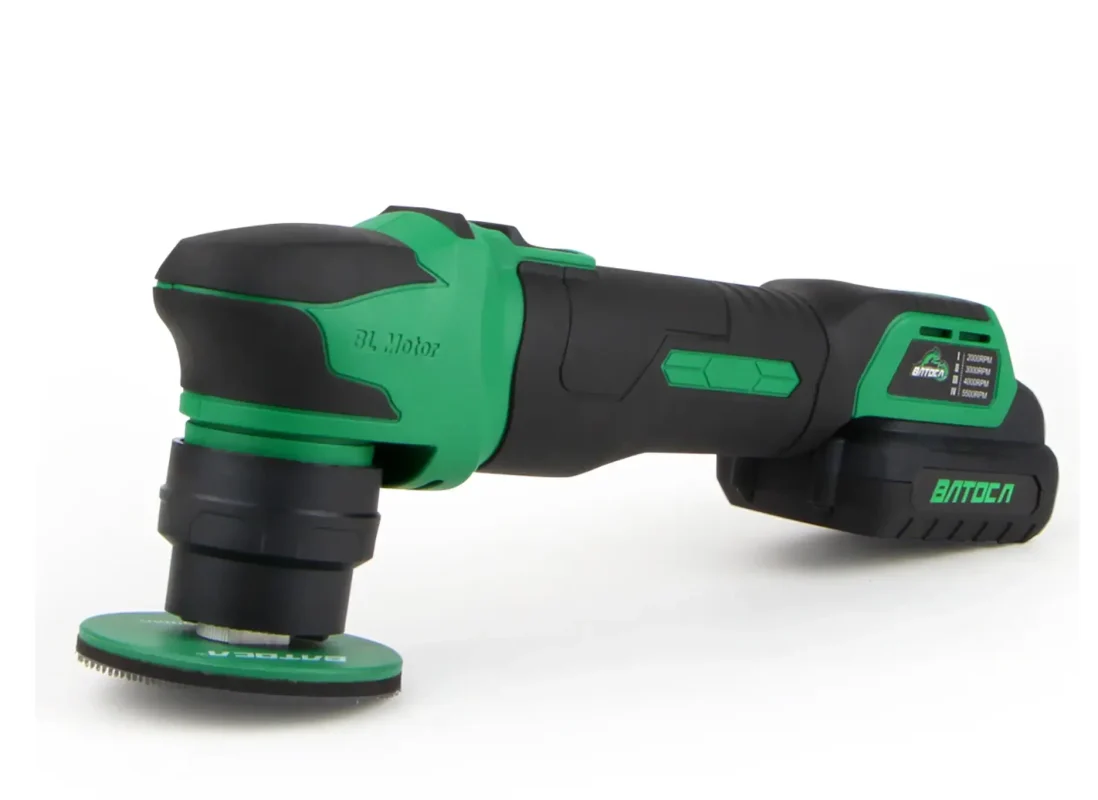
The two models I am currently considering are the Flex PXE 80 and the Batoca S4.
The Flex PXE 80 has been loved by many detailers for a long time. It is a proven cordless 3-inch polisher with a strong reputation for quality, versatility, and reliability.
The Batoca S4, on the other hand, is a more affordable Chinese-made option. Many users say it offers surprisingly good performance for its price, and some compare it to the Flex PXE 80 in terms of basic usability.
Flex PXE 80 vs Batoca S4: The Price Difference
The biggest difference between the two is the price.
The Flex PXE 80 costs around 550,000 KRW, which is about $370.
The Batoca S4 costs around 130,000 KRW, which is about $87.
That means the Flex is roughly four times more expensive than the Batoca.
This is exactly why I am still thinking about it.
Why This Decision Is Not Easy
There are two main reasons why I am having a hard time choosing.
First, I want to use tools that can last a long time in a professional detailing shop. If I buy a proven product from the beginning, I may be able to avoid spending money twice. I also want to work with tools that I can trust during actual detailing jobs.
Second, a cordless 3-inch polisher will not be my main machine. Most paint correction work will be done with wired polishers. A small cordless polisher would mainly be used for narrow areas, small panels, pillars, bumpers, and quick supporting work.
That makes the decision more complicated.
Should I buy the Flex PXE 80 from the beginning because it is a proven professional tool?
Or should I start with the Batoca S4 and see how often I actually use a cordless 3-inch polisher?
Choosing Equipment Is Part of Building the Shop
While preparing this detailing shop in Korea, I keep realizing that choosing equipment is not just about buying tools.
It is also about deciding how I want to work, what kind of service I want to provide, and how I want to manage my budget.
An expensive tool is not always the right answer. But for a tool that will be used for a long time, the first choice can be important.
I have not made the final decision yet. But this kind of 고민 is also part of the process of building my own detailing shop.
Once I make the choice and actually use the machine, I will share my honest experience with it.